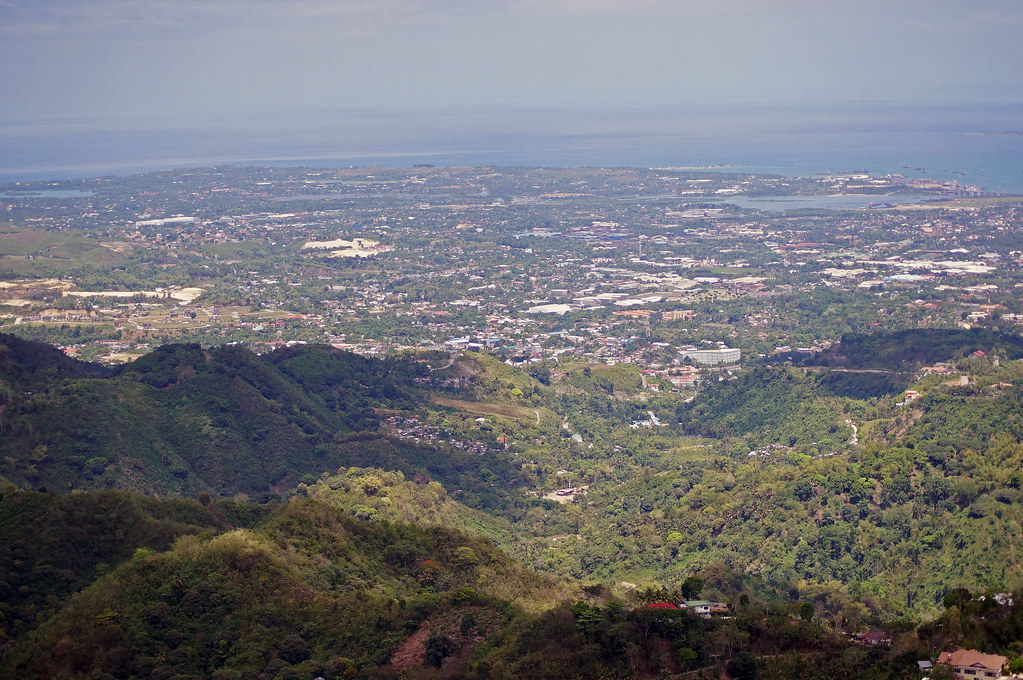
A strong El Niño event is expected to hit the Philippines by early 2027, potentially causing severe drought conditions in Cebu. The phenomenon, linked to warming ocean temperatures in the Pacific, is projected to reduce rainfall and strain water supplies. Local authorities are already monitoring air quality and temperature trends, as rising heat levels worsen urban heat islands.
The National Climate Change Commission has noted that El Niño typically leads to drier conditions across the region. In Cebu, where agriculture and tourism are key industries, reduced rainfall could impact crop yields and tourist activity. Water rationing measures may be introduced in urban areas as reservoir levels drop.
El Niño events occur every two to seven years and are part of the El Niño-Southern Oscillation cycle. Recent studies show increased frequency and intensity due to climate change. The 2023-2024 El Niño was among the strongest in decades, causing widespread drought and wildfires. Scientists warn that without improved water management, future droughts could become more frequent and severe.