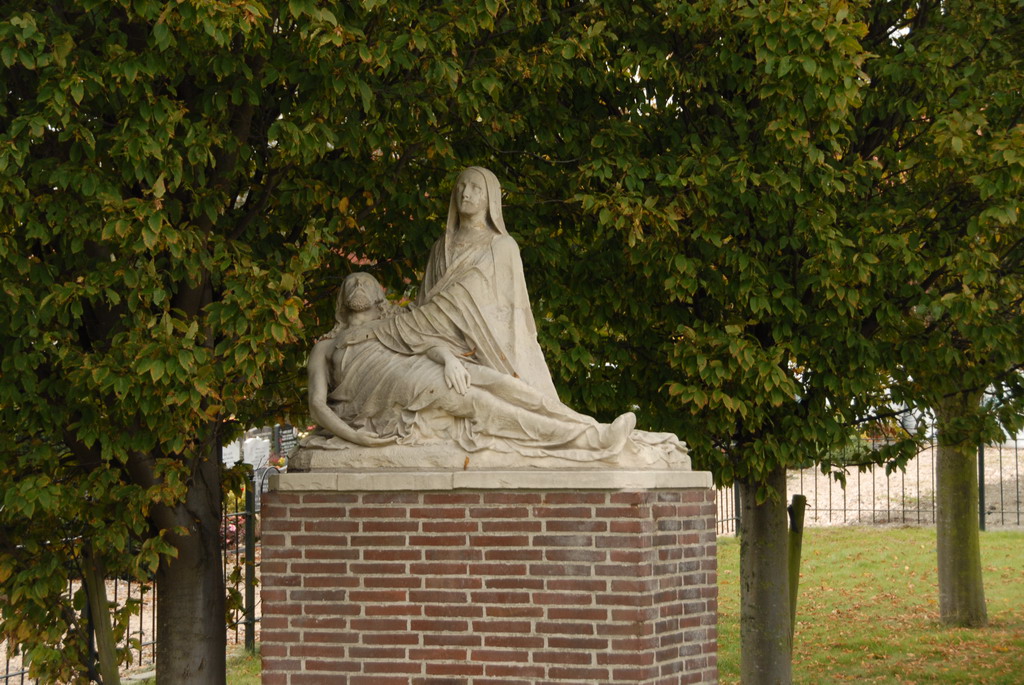
In the Philippines, All Souls’ Day is observed on November 2, a time for families to honor their deceased loved ones. The tradition involves visiting cemeteries, lighting candles, and offering food and flowers at gravesites.
Writer and critic Suarez-Orendain expressed personal reflections on the occasion, acknowledging the emotional weight of the day. While typically avoiding personal topics, he noted that this year felt different, highlighting the universal human experience of loss and remembrance.
All Souls’ Day has deep roots in Filipino culture, blending indigenous beliefs with Catholic traditions. The practice of commemorating the dead dates back centuries, with families gathering to pay respects and seek spiritual comfort. The day is also marked by the display of small altars in homes, adorned with offerings and photographs of the departed.
The observance of All Souls’ Day reflects broader cultural values in the Philippines, where family and ancestral ties are highly regarded. It serves as a reminder of the connection between the living and the dead, reinforcing social bonds and shared heritage. The day is not only a time of mourning but also of gratitude and continuity.